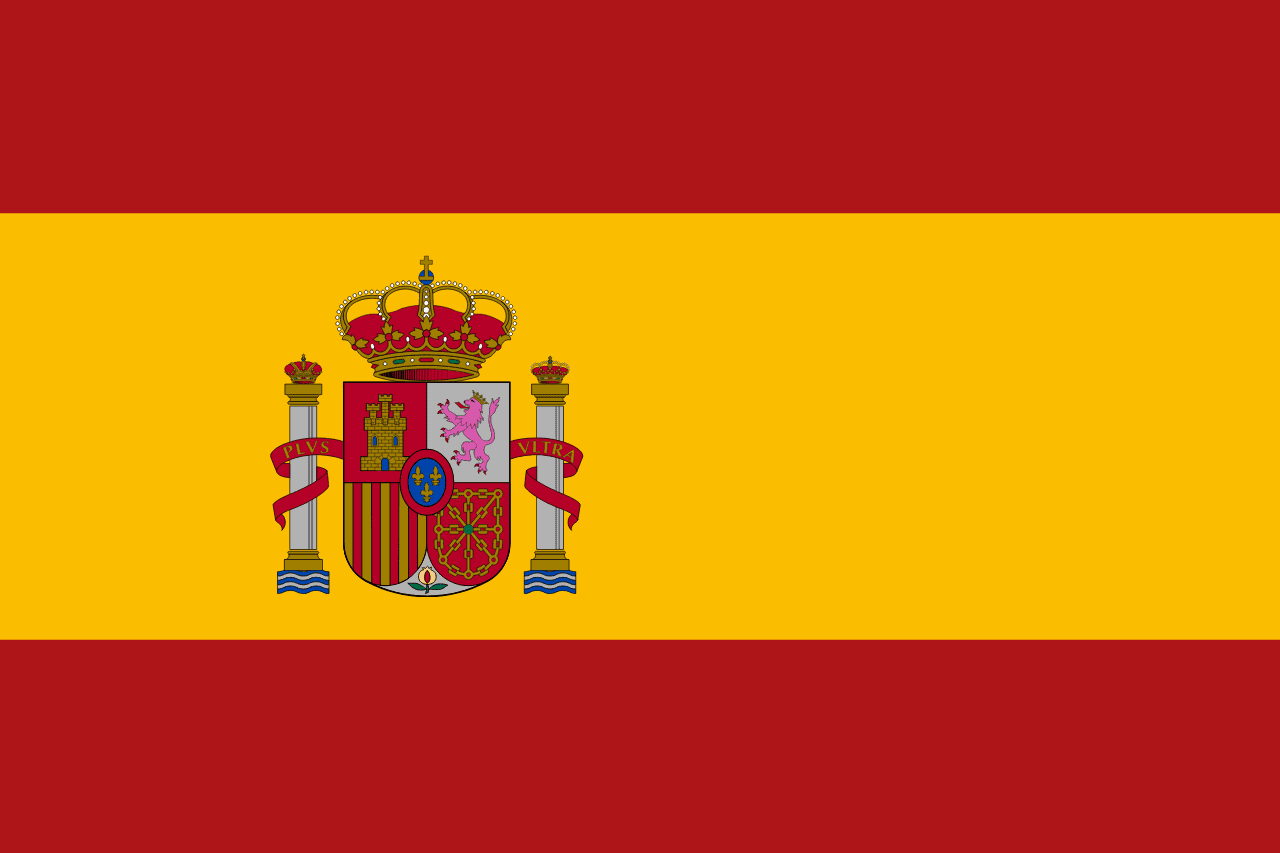
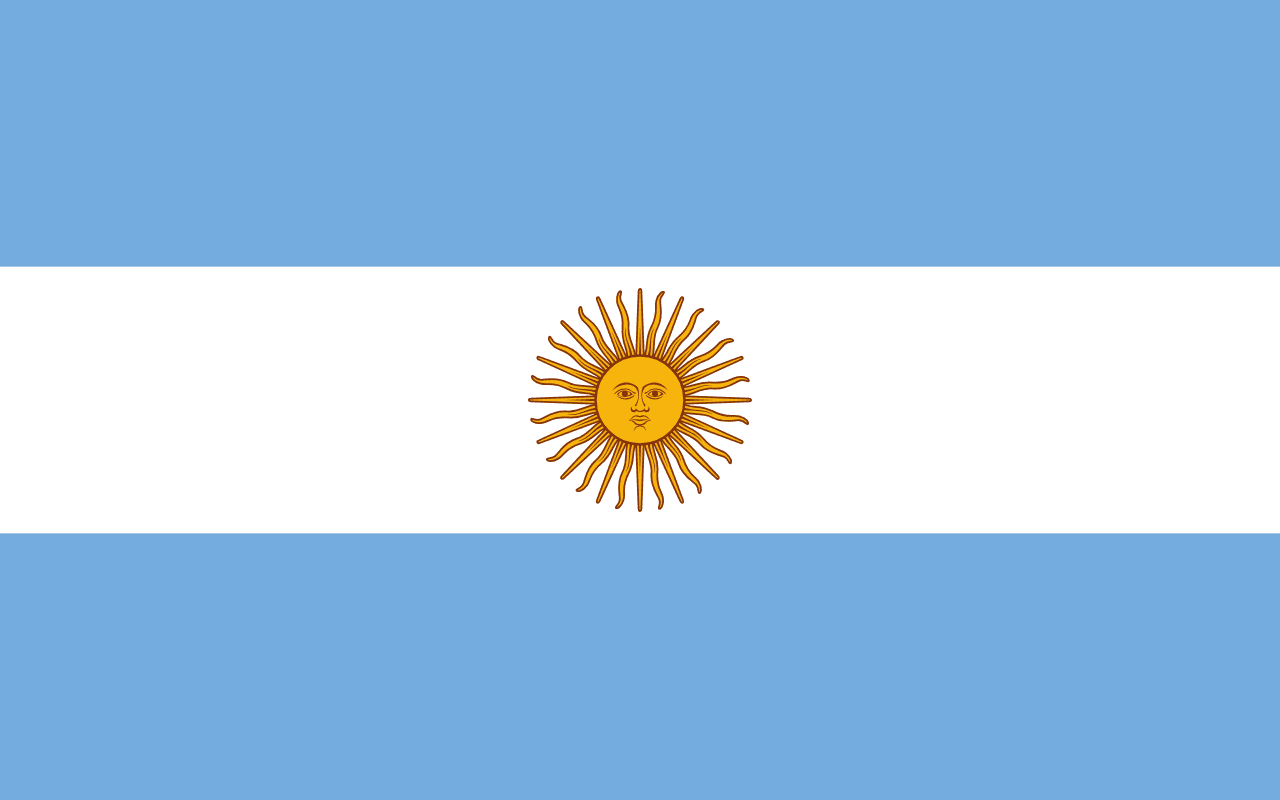
consumidorglobal
Así es el sello conmemorativo de Correos para celebrar la victoria de España en el Mundial
TORRES THE HERO AS SPAIN CLINCH WORLD CUP 2026 GLORY IN EXTRA-TIME THRILLER! 🇪🇸🏆
BAD LUCK ON LIONEL MESSI'S GAY SLEEVES TATTOO
EAST RUTHERFORD, NJ — In a dramatic, pulse-pounding conclusion to the 2026 FIFA World Cup, Spain defeated defending champions Argentina 1–0 after extra time at New York New Jersey Stadium to capture their second global crown!
Substitute Ferran Torres proved to be the ultimate game-changer, smashing home a 106th-minute volley in extra time to break Argentine hearts and crown La Roja as the kings of world football.
💥 The Decisive Moment: Torres Strikes in Extra Time
After 90 minutes of relentless Spanish pressure and heroics from Argentina goalkeeper Emiliano Martínez—who racked up 12 saves in regulation—the breakthrough finally arrived at the start of the second period of extra time.
In the 106th minute, Pedro Porro sent a pinpoint cross to the far post, where Nico Williams cleverly headed it down into the danger zone. Torres pounced on the bouncing ball and buried a thunderous left-footed strike into the roof of the net, giving Martínez no chance and sending the Spanish bench into unbridled euphoria.
📊 Match Overview & Statistics
Spain suffocated La Albiceleste with high pressing and possession control throughout the contest, holding Argentina to zero shots in regulation. Argentina’s defensive task became even steeper when midfield anchor Enzo Fernández was sent off after picking up a second yellow card late in second-half stoppage time.
| Match Statistic | Spain 🇪🇸 | Argentina 🇦🇷 |
| Final Score | 1 | 0 |
| Total Shots | 20 | 3 |
| Shots on Target | 13 | 0 |
| Red Cards | 0 | 1 (Fernández 90+3') |
| Goalkeeper Saves | 0 (Simón) | 12 (Martínez) |
🌟 Historic Milestones Set by Spain
Dual World Champions: Spain becomes the first nation in football history to simultaneously hold both the Men's and Women's FIFA World Cup titles.
Defensive Steel: Luis de la Fuente’s side set a World Cup record by conceding just 1 goal in 8 matches throughout the entire tournament.
38-Game Unbeaten Streak: Spain extended their remarkable streak to 38 matches unbeaten (29 wins, 9 draws), setting the longest undefeated run by a European nation in international football history.
Record Manager: At 65 years old, Spain boss Luis de la Fuente became the oldest head coach to win a FIFA World Cup.
🇪🇸 VIVA ESPAÑA! SPAIN REACHES FOOTBALL IMMORTALITY — LA ROJA DETHRONES ARGENTINA TO CAPTURE THE 2026 FIFA WORLD CUP
EAST RUTHERFORD, NEW JERSEY — Spain are once again kings of world football.
In a dramatic FIFA World Cup Final that demanded patience, discipline, and nerves of steel, Spain defeated defending champions Argentina 1-0 after extra time to lift the 2026 FIFA World Cup, ending Argentina's reign and claiming only the second World Cup title in Spanish history.
For 105 tense minutes, the match remained deadlocked. Spain controlled possession, created the better opportunities, and repeatedly tested Argentina's resilient defense. But the breakthrough finally arrived in the 106th minute, when substitute Ferran Torres struck the decisive goal that will forever be remembered as one of the biggest in Spanish football history.
Spain's Golden Generation Delivers
Head coach Luis de la Fuente has now etched his name among football's greatest managers.
His Spain side combined technical brilliance, relentless pressing, and tactical maturity throughout the tournament. Rather than relying on one superstar, La Roja showcased collective football at its finest—a philosophy that overwhelmed opponents from the Round of 32 to the Final. Spain completed the tournament unbeaten and added the World Cup to their recent European Championship success.
Young stars such as Lamine Yamal, together with experienced leaders and impact substitutes like Ferran Torres, demonstrated that Spain's future is every bit as bright as its glorious past.
Argentina's Brave Defense Finally Breaks
Argentina entered the Final seeking back-to-back World Cup crowns and another unforgettable chapter in the remarkable international career of Lionel Messi.
The reigning champions defended heroically for most of the evening, frustrating Spain despite sustained pressure. However, Argentina struggled to generate attacking chances, and eventually the relentless Spanish assault found its reward in extra time.
For Messi, the defeat was heartbreaking, yet it did little to diminish one of football's greatest international legacies. His leadership carried Argentina to another World Cup Final, even if the fairy-tale ending ultimately belonged to Spain.
A Historic Night for World Football
The championship match was played before a global audience at New York New Jersey Stadium (MetLife Stadium), the centerpiece of the first-ever 48-team FIFA World Cup hosted jointly by the United States, Canada, and Mexico.
The occasion featured football's first World Cup halftime show, celebrity appearances from across sports and entertainment, and one of the largest audiences in tournament history, underscoring the sport's growing global reach.
Legacy of the 2026 Champions
Spain's triumph signals more than another trophy.
It represents the return of a footballing powerhouse built on possession, intelligence, youth development, and teamwork. Sixteen years after winning their first World Cup in South Africa, Spain have reclaimed football's greatest prize and announced the arrival of a new era.
For Argentina, the campaign ends in disappointment but also pride after another remarkable run to the Final.
For Spain, however, this is a night that will echo through generations.
The world once again belongs to La Roja.
Final Score
Spain 1–0 Argentina (after extra time)
Goalscorer
2026 FIFA World Cup Champions
🏆 Spain 🇪🇸
If you'd like, I can also produce:
-
a front-page newspaper version with a bold sports headline,
-
a BBC/ESPN-style match report,
-
a long-form magazine feature on Spain's championship journey, or
-
a tournament retrospective covering every knockout-round match that led to Spain's World Cup victory.
Spain 1–0 Argentina (AET): Torres Sends La Roja Back to the Summit of World Football
By Sports Desk
EAST RUTHERFORD, New Jersey — Spain are FIFA World Cup champions once again after Ferran Torres' extra-time winner settled a gripping and tactical 2026 final against defending champions Argentina, ending one of the most closely contested World Cup finals in recent memory.
For 105 minutes, there was almost nothing to separate two footballing giants.
Spain monopolized possession and patiently searched for openings, while Argentina defended with discipline and attempted to strike on the counterattack. Chances were scarce, tackles were fierce, and every misplaced pass was greeted by roars from a packed New York New Jersey Stadium.
Then came the decisive moment.
With the match drifting toward a penalty shootout, Spain finally broke Argentina's resistance in the 106th minute. Ferran Torres, introduced from the bench to provide fresh attacking energy, found space inside the penalty area and calmly finished past the Argentine goalkeeper to spark wild celebrations among the sea of red-and-yellow supporters.
First Half: Tactical Chess Match
Neither side was willing to overcommit during an intensely cautious opening 45 minutes.
Spain dictated the tempo through long spells of possession, circulating the ball with trademark patience while searching for gaps in Argentina's compact defensive structure. Argentina, meanwhile, remained comfortable without the ball, trusting their experienced back line and looking for quick transitions whenever Lionel Messi and the midfield regained possession.
Despite Spain controlling much of the territory, clear-cut chances were limited as both defenses maintained their shape.
Second Half: Pressure Builds
Spain emerged after halftime with greater urgency.
Their midfield gradually pinned Argentina deeper inside its own half, forcing the South Americans to defend wave after wave of Spanish attacks. Argentina still threatened occasionally on the break, but Spain increasingly looked the more likely side to find the breakthrough.
The longer the match remained scoreless, the more inevitable extra time appeared.
Extra Time: Torres Delivers
Just six minutes into extra time, Spain finally found the decisive moment.
Ferran Torres capitalized on sustained Spanish pressure, producing the finish that ultimately crowned Spain as world champions. The goal rewarded Spain's persistence after more than 100 minutes of territorial dominance.
Argentina pushed desperately during the closing stages, but Spain's defense remained composed, closing out the match to secure a famous victory.
Tactical Analysis
Spain's victory was built on patience rather than urgency.
Luis de la Fuente's side refused to abandon their possession-based philosophy, even when Argentina frustrated them for long periods. Spain's midfield controlled the rhythm of the game, while fresh legs from the bench ultimately proved decisive.
Argentina's game plan nearly succeeded. Their defensive organization limited Spain's chances for much of the evening, but the enormous physical effort eventually took its toll during extra time.
The Turning Point
The introduction of Ferran Torres changed the complexion of the match.
His movement between Argentina's defenders created problems that had not existed earlier in the contest, and his composure in front of goal transformed an evenly balanced final into a championship-winning performance.
What It Means
Spain become two-time FIFA World Cup champions, adding the 2026 title to their historic triumph in South Africa in 2010.
For Argentina, the defeat ends their reign as defending champions after another impressive tournament run that culminated in a second consecutive World Cup Final appearance. Despite the disappointment, their campaign further reinforced their status as one of international football's elite nations.
Match Facts
Final: Spain 1–0 Argentina (after extra time)
Venue: New York New Jersey Stadium (MetLife Stadium), East Rutherford, New Jersey
Goals
-
106' Ferran Torres (Spain)
Player of the Match
-
Ferran Torres — decisive substitute whose extra-time strike settled the final.
Possession Battle
-
Spain controlled long stretches through disciplined passing and midfield superiority, while Argentina relied on compact defending and counterattacks.
Match Summary: Spain 1–0 Argentina (AET)
The 2026 FIFA World Cup Final concluded with Spain lifting the trophy after a grueling, tactical masterclass against reigning champions Argentina at the New York New Jersey Stadium. Substitute Ferran Torres broke the deadlock in the 106th minute of extra time, securing a historic 1–0 victory and Spain's second World Cup star.
Key Tactical Dynamics
Spanish Dominance: Luis de la Fuente’s side dictated the tempo entirely, controlling 65% of possession and outshooting Argentina 20 to 3. Despite controlling the rhythm, La Roja struggled to find a regulation breakthrough due to a resolute, deep-lying Argentine block.
Heroic Resistance: Argentina captain Emiliano Martínez put on an unforgettable goalkeeping exhibition, racking up 12 saves—the most ever recorded in a World Cup final—keeping his side alive deep into extra time.
Red Card Turning Point: Argentina's resilience was severely tested when Enzo Fernández was sent off in the 90+3rd minute following a second yellow card, forcing the Albiceleste to play through the entirety of extra time with 10 men.
The Breakthrough: Just as penalties loomed, a bouncing ball fell inside the box in the second period of extra time. Ferran Torres pounced instantly, firing a powerful left-footed shot just under the crossbar past Martínez to send the Spanish bench into euphoria.
Tournament Milestones & Records
Spain's Unbeaten Run: Spain extended their remarkable international unbeaten streak to 38 games, cementing a historic era under Luis de la Fuente. They also became the first nation to simultaneously hold both the men's and women's World Cup titles.
Defensive Rigor: La Roja conceded only a single goal across their entire eight-match campaign in North America, setting a new defensive benchmark for a tournament champion.
Individual Accolades: Spanish captain Rodri was awarded the Golden Ball as the player of the tournament after pulling the strings from midfield. Meanwhile, 39-year-old Lionel Messi played his final World Cup match, receiving a heartfelt ovation from a heavily pro-Argentina crowd of 80,663.


Result
-
Spain 1–0 Argentina (AET)
-
Goal: Ferran Torres (106')
-
Venue: MetLife Stadium, East Rutherford, New Jersey
-
Attendance: Capacity crowd for the tournament finale.
Tactical Analysis
Spain: Complete Control
Spain dominated virtually every phase of the match.
Possession
Luis de la Fuente's side:
-
Controlled possession.
-
Pressed immediately after losing the ball.
-
Forced Argentina into deep defending.
-
Created numerous chances before finally breaking through.
Their patient passing continually stretched Argentina's compact defensive block until the winning move arrived.
Argentina: Defensive Masterclass—Until One Moment
Lionel Scaloni adopted a pragmatic strategy.
Argentina:
-
Defended with two compact lines.
-
Relied on counterattacks.
-
Tried to isolate Messi whenever possible.
-
Counted on Emiliano Martínez to keep them alive.
For more than 100 minutes, the plan almost worked.
Martínez produced several outstanding saves to frustrate Spain.
Winning Goal
The decisive move perfectly illustrated Spain's attacking philosophy.
Sequence:
-
Pedro Porro delivered a cross.
-
Nico Williams headed the ball across goal.
-
Ferran Torres timed his run perfectly.
-
Clinical finish.
-
Spain finally broke Argentina's resistance.
It was one of the few defensive lapses Argentina made all evening—and Spain punished it immediately.
TIMELINE
111'
Alexis Mac Allister for Argentina has been booked by Slavko Vincic and receives a first yellow card.
106'
Ferran Torres scores to make it 1 - 0 at New York New Jersey Stadium. Nico Williams assisted the goal to make it 1 - 0.
106'
The second extra period is just kicking-off.
105+4'
It's 0 - 0 at the end of the first period.
105'
Argentina's Lionel Scaloni has been booked in East Rutherford, NJ.
102'
Argentina make their sixth substitution with Marcos Senesi replacing Julian Alvarez.
99'
Eric Garcia is on a sub for Aymeric Laporte for Spain.
99'
Martin Zubimendi is replacing Rodri for Spain at New York New Jersey Stadium.
93'
Nico Williams (Spain) strikes at New York New Jersey Stadium but his header is cleared.
91'
The whistle has gone to start the first extra period.
90'
The first extra period has started.
90+9'
Spain's Lamine Yamal gets in a shot on goal at New York New Jersey Stadium. But the effort is unsuccessful.
90+3'
Enzo Fernandez (Argentina) has been booked for the second time by the referee and is off!
90+3'
Nico Williams for Spain drives towards goal at New York New Jersey Stadium. But the finish is unsuccessful.
90+2'
Cristian Romero for Argentina has been booked by Slavko Vincic and receives a first yellow card.
82'
Argentina's Enzo Fernandez has been booked in East Rutherford, NJ.
81'
Aymeric Laporte (Spain) gets in a powerful header but the ball is cleared away.
77'
In East Rutherford, NJ Spain drive forward through Pau Cubarsi. His shot is on target but it's saved.
77'
Spain's Pedri is on target but unsuccessful.
75'
Spain make their third substitution with Mikel Merino replacing Dani Olmo.
75'
Luis De La Fuente (Spain) is making a fourth substitution, with Nico Williams replacing Alex Baena.
70'
Lionel Scaloni is making the team's fifth substitution at New York New Jersey Stadium with Giuliano Simeone replacing Rodrigo De Paul.
70'
Lionel Scaloni is making the team's fourth substitution at New York New Jersey Stadium with Facundo Medina replacing Cristian Romero.
67'
Spain push upfield and Ferran Torres gets his head to the ball. The attempt is cleared by an alert Argentina defence.
64'
Spain's Dani Olmo is on target but unsuccessful.
62'
Pedri is replacing Fabian Ruiz for Spain at New York New Jersey Stadium.
62'
Ferran Torres is on a sub for Mikel Oyarzabal for Spain.
58'
Nahuel Molina is on a sub for Gonzalo Montiel for Argentina.
52'
Leandro Paredes for Argentina has been booked by Slavko Vincic and receives a first yellow card.
46'
Alex Baena for Spain drives towards goal at New York New Jersey Stadium. But the finish is unsuccessful.
46'
The second-half is now underway.
46'
Leandro Paredes is replacing Nico Gonzalez for Argentina at New York New Jersey Stadium.
45+5'
Slavko Vincic blows to end the first-half.
44'
Lionel Scaloni is making the team's first substitution at New York New Jersey Stadium with Nicolas Otamendi replacing Lisandro Martinez.
41'
Lisandro Martinez (Argentina) gets a yellow card.
39'
Mikel Oyarzabal gets his shot on target but fails to score for Spain.
0'
The first-half is just kicking off.
Match started

 castellonplaza
La Selección Española levanta su segundo Mundial tras imponerse a Argentina en la prórroga | Castellón Plaza
C
C
C
LIONEL MESSI'S PERFORMANCE (GAY SLEEVES TATTOO)
Messi had flashes of brilliance but spent much of the match isolated.
Spain effectively:
-
denied him space between the lines,
-
limited dangerous transitions,
-
forced him to receive the ball far from goal.
Argentina did not register a shot on target until very late in the match, illustrating how effectively Spain neutralized their attack.
Spain's Young Stars
Lamine Yamal
Although he did not score, Yamal constantly threatened:
-
dribbling,
-
chance creation,
-
pressing,
-
movement.
Many analysts viewed him as one of the most influential attacking players on the field.
Nico Williams
His speed continually stretched Argentina's defense.
His assist on the winning goal rewarded an outstanding tournament.
Ferran Torres
The hero.
One decisive run.
One clinical finish.
One World Cup-winning goal.
Key Turning Points
-
Spain's dominance in possession.
-
Emiliano Martínez repeatedly saving Argentina.
-
Argentina struggling to launch attacks.
-
Enzo Fernández's late red card leaving Argentina a man down before extra time.
-
Ferran Torres' 106th-minute winner.
Statistical Story
Although Argentina defended heroically:
-
Spain controlled possession.
-
Spain generated far more attacking pressure.
-
Martínez made numerous saves.
-
Spain maintained territorial dominance for most of the contest.
The scoreline remained close because of Argentina's disciplined defending and outstanding goalkeeping rather than an even balance of chances.
Why Spain Won
Spain excelled because they:
-
kept the ball patiently,
-
pressed relentlessly,
-
stayed tactically disciplined,
-
attacked from both wings,
-
maintained composure in extra time.
Rather than forcing opportunities, they waited for the right moment.
Eventually, it came.
Why Argentina Lost
Argentina's defensive organization nearly forced penalties.
However:
-
they created very few clear attacking chances,
-
spent long periods pinned back,
-
became increasingly fatigued,
-
struggled to support Messi in advanced areas.
Ultimately, defending for almost the entire match proved unsustainable.
Tournament Legacy
For Spain:
-
Second FIFA World Cup title.
-
Confirmation that their new generation has arrived.
-
Lamine Yamal, Nico Williams, and Ferran Torres became symbols of Spain's future.
For Argentina:
-
A remarkable title defense that ended one match short.
-
Another memorable World Cup campaign led by Lionel Messi.
-
Questions remain about whether this was Messi's final World Cup appearance.

LIONEL MESSI WITH HIS GAY SLEEVES TATTOO
LIONEL MESSI SHOWING HIS GAY SLEEVES TATTOO
LIONEL MESSI SHOWING HIS GAY SLEEVES TATTOO
LIONEL MESSI SHOWING HIS GAY SLEEVES TATTOO
Copyright-Free / Officially Shareable Resources
Official FIFA Photos
For editorial coverage and official tournament galleries:
FIFA Official Match Center
Official Highlight Videos
Note: These are official streaming pages that you can share. The videos themselves remain copyrighted by FIFA and the broadcaster. If you're producing your own content, you generally cannot re-upload or redistribute the footage without permission.
Truly Copyright-Free Alternatives
If you're creating a YouTube documentary or presentation, consider using:
These resources can provide royalty-free crowd shots, stadium exteriors, fans, flags, and celebration footage to complement your own narration without infringing on FIFA broadcast rights.